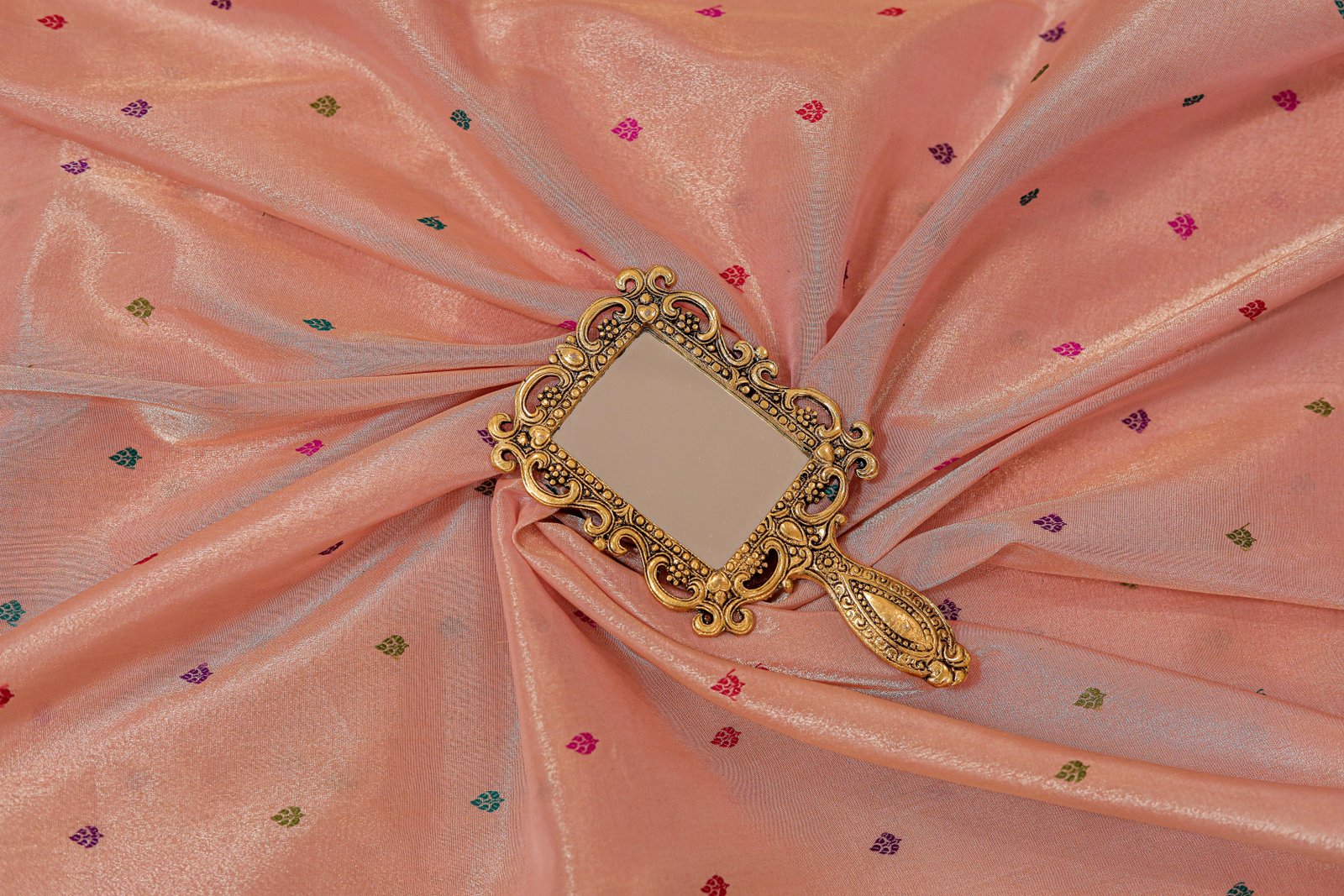
Woven with Love: The Journey of a Saree from Handloom to Your Hands
Every Banarasi saree is not just an outfit—it's an heirloom of heritage. But have you ever wondered how this six-yard wonder begins its journey? From the rhythmic clatter of handlooms in narrow Varanasi alleys to the soft folds displayed in a boutique, a saree travels through skilled hands, patient processes, and centuries-old traditions.
Let’s walk through the beautiful journey of a Banarasi saree from loom to Shaati Hut’s shelves.
1. The Design Begins on Paper
Before a single thread is woven, the saree is imagined. Artisans sketch the intricate motifs inspired by Mughal art, temples, and nature—like the kalga, bel, and butidar. These are then translated into naksha (design templates), often using graph paper or digital jacquard cards in modern setups.
At this stage, the essence of the saree is born—not in thread, but in thought.
2. Selecting the Threads
Pure silk (katan), fine organza (kora), or zari-dipped threads are chosen based on the saree style. Banarasi weaving often uses:
Katan Silk for rich, royal drapes
Georgette or Kora for lighter, flowy sarees
Zari for the iconic gold and silver brocade work
These threads are dyed in vibrant colors using traditional dyeing methods, then sun-dried in open courtyards.
3. The Handloom Comes Alive
The dyed threads are now set on the taana (warp) and baana (weft). This setup alone takes 2–4 days, depending on the complexity of the design.
And then the real magic begins.
Seated at traditional handlooms, weavers (often with generational knowledge) begin their rhythmic dance—shuttle through yarn, lifting warp, beating the design into life. One saree can take 15 to 30 days or even months depending on whether it's a simple buti saree or a Kadhwa Jaal masterpiece.
Each weave carries a story, and each imperfection speaks of human touch.
4. The Finishing Touches
Once off the loom, the saree undergoes:
Cutting of extra threads
Polishing or calendaring for sheen
Quality check for weaving consistency and finish
No machine. No mass production. Just time, tradition, and care.
5. Arrival at Shaati Hut
At Shaati Hut, we don’t just stock sarees—we curate legacies. Each saree is documented, photographed in natural light, and tagged with its unique weaving story.
By the time you touch it, that saree has already passed through the hands of at least 5–7 artisans, each adding a layer of life to it.